

Picture this: you are 30 years old, and every day you sign off at the office, you take the elevator because stairs hurt. Or, you often wake up with stiff legs. This is not an uncommon problem anymore. Many adults say that their knees feel like those of someone in their 60s.
The number of adults experiencing pain in their knees and other joints, or those requiring knee replacement surgery in Mumbai, has drastically increased in recent years. This makes people wonder why knee pain is becoming common at such a young age.
Your Knees Hurt in Your 30s? Here’s Why
Many factors can contribute to knee pain. Some have clear causes, such as a previous sports injury that damages tendons, ligaments, cartilage, bones, or other vital structures.
Others develop knee pain without any obvious reason. Identifying the cause of the pain is the first step in seeking appropriate treatment.
1. Early Osteoarthritis
Osteoarthritis is more common in elders, as it’s commonly associated with aging. However, young people, including those in their 30s, can develop it too.
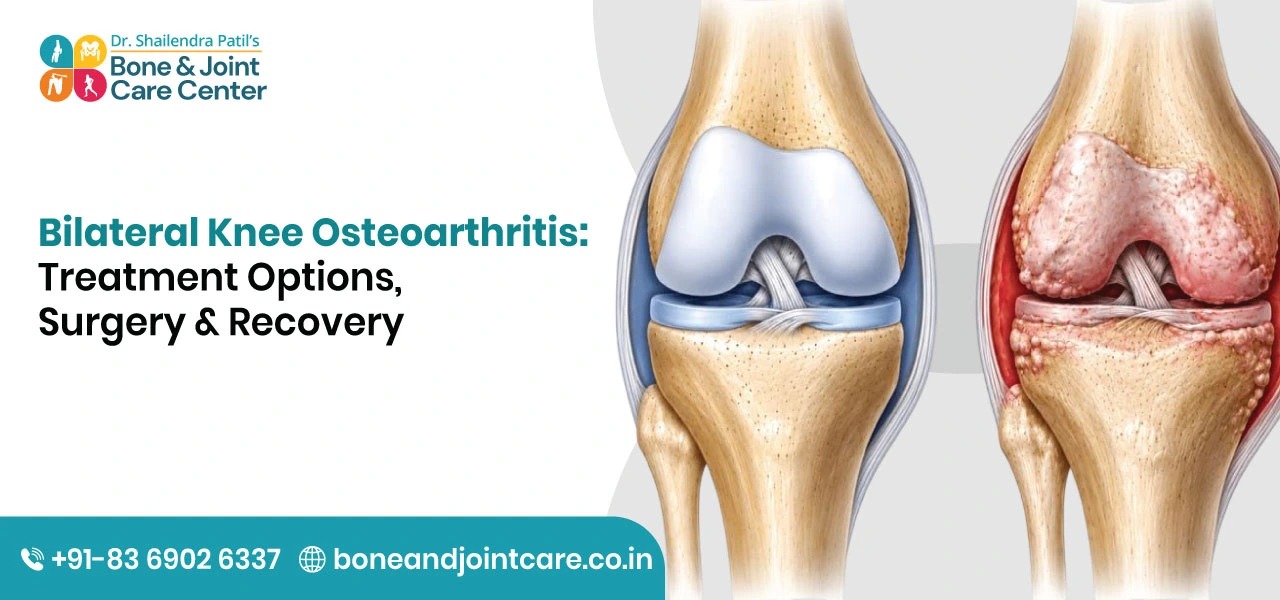
In osteoarthritis, the cartilage breaks down, removing the cushion that protects the ends of your bones. Without the cushion, the bones rub against each other when you use the knee joint. The results? It causes knee pain during movement.
Early OsteoarthritisTreatment
If you are diagnosed with osteoarthritis, treatment usually involves managing pain, swelling, and inflammation through medicines. If it’s caused severe damage or simple movements are painful, you may need to see a robotic knee replacement surgeon in Mumbai to discuss a surgical replacement of the damaged knee joint.
2. Meniscus Tears
Let’s say you sprained your ligament during a baseball match or your meniscus (the C-shaped cartilage) got torn from sudden twisting or pivoting during sports. Sometimes, the cartilage or ligaments get injured from regular movements, especially if they are already worn. If one or both of your menisci are injured, you may feel like your knee is giving way during movements.
Meniscus Tears Treatment
Some tears can be fixed with physiotherapy, rest, and conservative treatments. Others, however, may require surgery. Treatment is decided based on your symptoms, severity of the injury, and your desired activity level.
3. Limited Mobility
If you spend 9 hours sitting with your knees bent or in one position, they may feel achy when you stand up, walk, or climb stairs. Over time, reduced mobility can weaken the quadriceps and hip muscles, responsible for controlling your knee movements.
Treatment
Reduced mobility from prolonged sitting doesn’t usually require invasive treatment. Regular physiotherapy, exercises recommended by your orthopedic doctor, a balanced diet, and good posture can all help strengthen your knee structure, thus reducing mobility-related pain.
Final Words
You may not be able to prevent all causes of knee pain in your 30s, such as osteoarthritis or an injury, but many activity-related causes of knee pain are preventable. Simple tips like warming up before practicing vigorous exercises, exercising regularly, and taking every knee injury, even minor ones, seriously can help.