
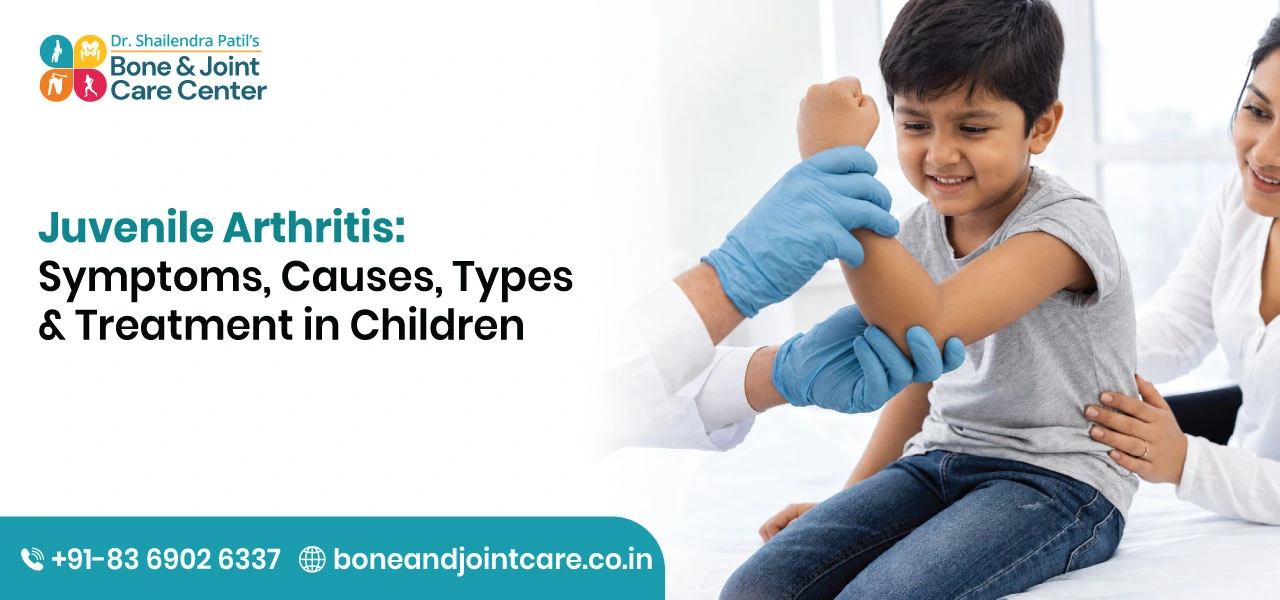
Juvenile arthritis is an autoimmune disease that can cause joint pain, stiffness, and swelling in children under 16. If left untreated, it can increase the risk of complications, such as cataracts or growth issues.
Juvenile Arthritis: Symptoms, Causes, and How It Is Treated
Juvenile arthritis is a broader term that’s used to describe inflammatory forms of arthritis, mainly juvenile idiopathic arthritis, in children younger than 16. It’s an autoimmune disorder in which the child’s immune system becomes overactive and causes inflammation in their joints.
It can affect one or multiple joints, often causing swelling, persistent pain, warmth, and stiffness. The good news? Treatment for juvenile arthritis in Thane can be an effective way to manage pain, reduce swelling, and protect your child’s joints from long-term damage.
Symptoms of Juvenile Arthritis
Note that growing pains or pain in the joint after a long day isn’t associated with juvenile arthritis. JIA is more complicated than that.
In many cases, parents notice a difference in their child’s gait before they can even complain of the pain. Here are some signs related to JIA:
- Pain: Older children might complain about joint pain and tenderness, often described as a deep aching discomfort. Younger ones may stop using the affected joint or ask you to lift them often.
- Swelling: The pain is usually accompanied by swelling. Your child’s fingers, knees, arm, wrist, ankle, or other joints can feel puffier and warmer than usual.
- Morning Stiffness:A pediatric orthopedic doctor in Thane may ask about how your child walks or moves in the morning if they suspect juvenile arthritis. Children with JIA tend to be more clumsy and walk awkwardly after taking a nap or resting.
- Reduced Movement: Another alarming symptom is reduced mobility in the affected joint. For example, they might be unable to fully straighten or bend their knees.
JIA is not caused by jumping, running, or other movements. It occurs when the child’s immune system becomes dysregulated and activates even when there’s no infection. Some experts have linked it to certain genes and environmental triggers, but the exact cause is not known.
Treatment for Juvenile Arthritis
Currently, there isn’t a treatment that can permanently cure the disease, but the inflammation can be managed well. In fact, many children who seek treatment for JIA go into remission.
The goal is to allow your child to live a normal, pain-free life, restore their normal mobility, ensure their proper growth, and control inflammation to prevent long-term joint damage. Depending on your child’s age, health, and severity of the disease, a pediatric orthopedist may recommend:
Medication: NSAIDs are commonly prescribed to reduce pain and swelling associated with JIA. If these alone do not provide enough relief, the doctor may recommend disease-modifying antirheumatic drugs—medication to slow the progress of the disease.
Therapies: A physiotherapist may recommend age-appropriate therapies that strengthen the muscles around the child’s joints, improve their movements, and enhance flexibility—all of which support normal joint function.
Complications of JIA
JIA can affect children’s eyes. The inflammation in the middle layer of the eye can increase their risk of developing complications, like cataracts and, in severe cases, blindness. Since it causes no obvious symptoms, children with JIA must see an ophthalmologist regularly for an eye checkup.
Constant inflammation can also affect bone growth and your child’s overall development. Overuse of certain treatments, such as corticosteroids, can also affect growth.