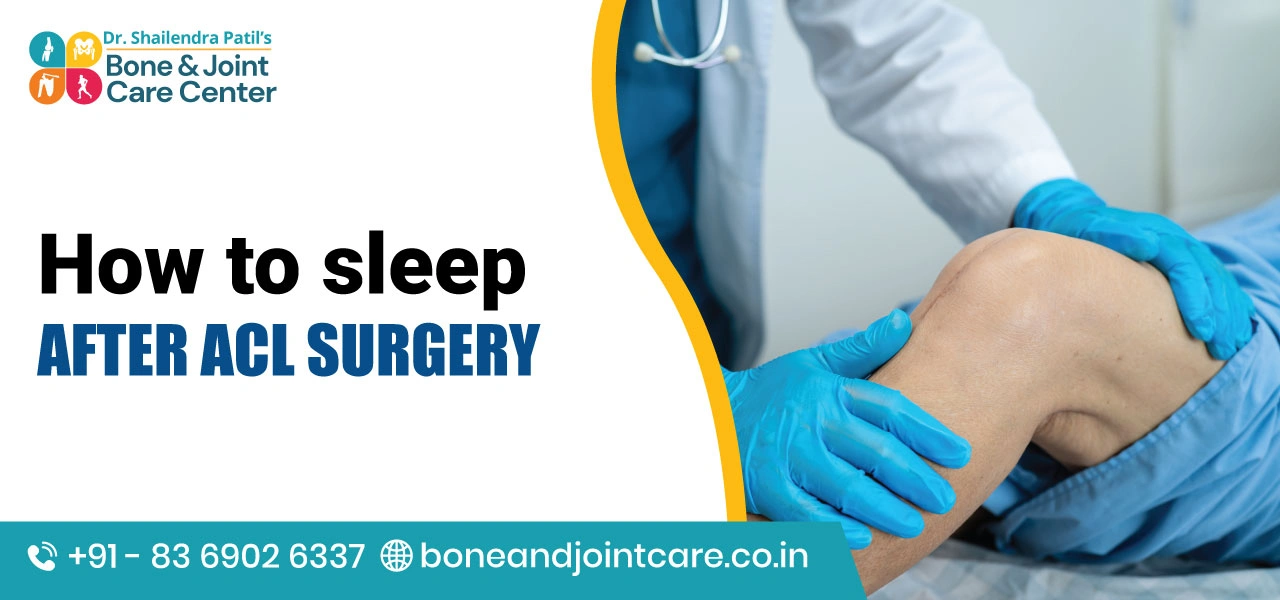
An ACL surgery in Mumbai is a big step for people with a torn Anterior Cruciate Ligament. The surgery helps restore your ability to walk, run, and play sports like usual. And while modern surgical procedures have made the surgical part quite effective, the real challenge begins at home, especially when you are trying to sleep. For those struggling to sleep peacefully after ACL reconstruction, this post is for you.
Finding the Best Sleeping Position
After ACL surgery, expect swelling, irritation, tenderness, sensitivity, and restricted movements. These symptoms affect your sleep. Many patients mention facing difficulty finding a suitable sleeping position. Here are some safety guidelines for sleeping positions you can try after ACL reconstruction.
1. Sleeping on the Back
This is the best sleeping position after ACL surgery, at least for the initial weeks. Sleeping on your back keeps your legs straight, allows you to elevate them, and minimizes strain on the new graft. It also reduces your risk of accidental turning or twisting. For better results, use a pillow under your heel and calf (not your knees directly) and ensure your legs are elevated above your heart level. This brings down swelling.
2. Sleeping on Your Side
Most surgeons advise patients to wait at least 2-3 weeks or until their knees have stabilized before starting to sleep on the side. It’s always best to consult your orthopedic surgeon before picking this sleeping position. When you get a go-ahead, put the surgical knee on top and place a pillow between your knees for support. Sleeping on your stomach is usually not recommended, as it might lead to awkward twisting or strain on the surgical knee.
3. Coping with Pain at Night
Pain is often manageable in the morning, as your mind remains distracted. At night, however, pain seems to be worse. Here’s what you should do to manage pain.
- Never Miss Pain Meds: Do not wait for the pain to start or get worse. Take your pain meds as advised.
- Apply Ice Before Bedtime: A gentle application of an ice pack can help reduce swelling and inflammation. Do it before bedtime for 15-20 minutes, unless you are advised otherwise.
- Elevate Your Knee: Swelling makes your knee feel stiff. To minimize that heaviness, elevate your legs. Use soft pillows.
- Create a Comfortable Atmosphere: A cool yet comfortable temperature, limited screen time, and a consistent sleep schedule—all help make your sleep comfortable.
When to Contact Your Surgeon
When you have gotten your ACL reconstructed by the best ACL surgeon in Mumbai, you can sleep comfortably knowing that your knee will heal gradually. However, there’s a small risk of complications, though uncommon, after ACL reconstruction. Watch out for these signs and inform your surgeon immediately if you experience any:
- Pain worsens despite taking pain meds
- Swelling keeps increasing
- Fever
- Redness or warmth on the surgical site
The sleepless nights become a nightmare. Constant leg cramps, stiffness in the surgical site, and the struggle in turning can all take a toll on your physical health. The worst part is you’re always worried about damaging the graft. Fortunately, it’s only a matter of time until your nights will be more comfortable. Hang in there.