
Knee replacement surgery in Navi Mumbai offers significant and long-lasting relief from the excruciating knee pain and limited mobility. After the surgery, you can enjoy most physical activities. However, the recovery doesn’t happen overnight. It takes weeks and months for knee replacement patients to resume their daily tasks or return to work.
Fortunately, you can speed up your recovery by following your surgeon’s instructions. In this post, you’ll learn the post-knee replacement care tips that can help with healing and ensure smoother and faster recovery.
Pain Management
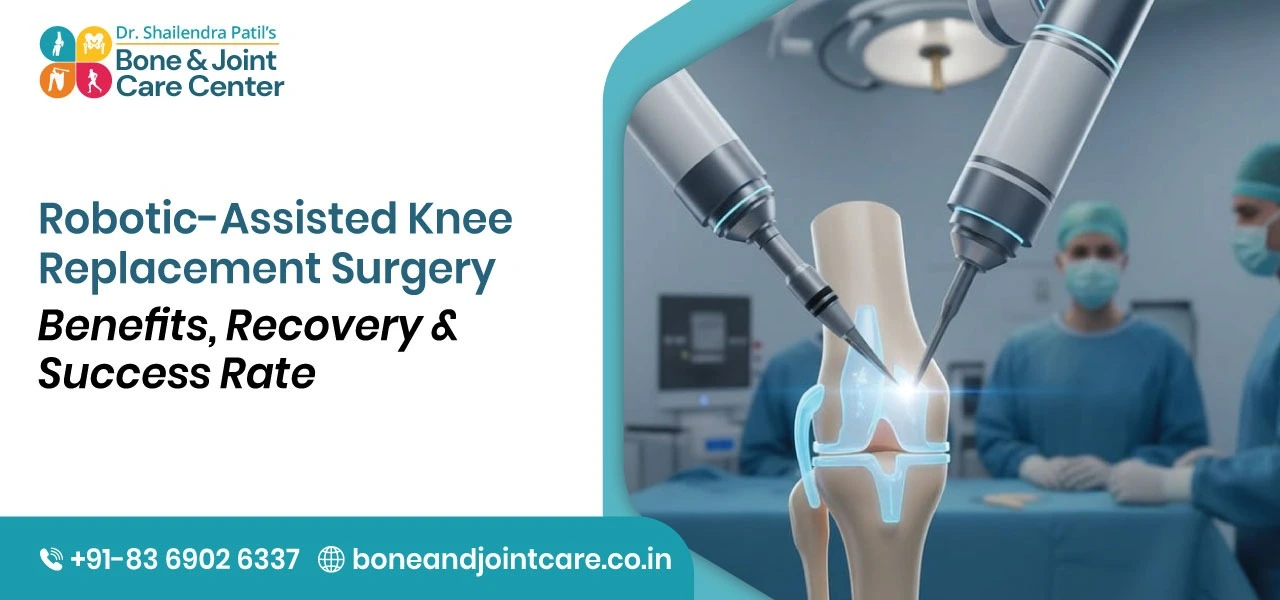
Advances in medical science, such as robot-assisted surgical procedures, have made knee replacement less painful and more precise. However, it’s still not completely pain-free. While you may not experience any discomfort during the surgery, some pain after the anesthesia’s effects wear off is normal.
Discuss the dosage of painkillers with your orthopedic surgeon. Stronger pain-relieving or anti-inflammatory medicines may be needed if the pain persists despite taking the current medication. For swelling, the Rest, Ice, Compression, and Elevation (RICE) technique can help.
Move Cautiously
You will be advised to start moving on the same day or the next day after surgery. Movement helps prevent surgical complications, like blood clots and constipation. However, movements are often restricted. You may be advised to avoid physically demanding activities or tasks that strain the surgical area.
Avoid kneeling or engaging in sudden twists or turning movements. Use a walker and a cane for safe movements in the initial weeks. Make sure there’s enough room for you to move around. Remove obstacles that you could trip over.
Start Physiotherapy
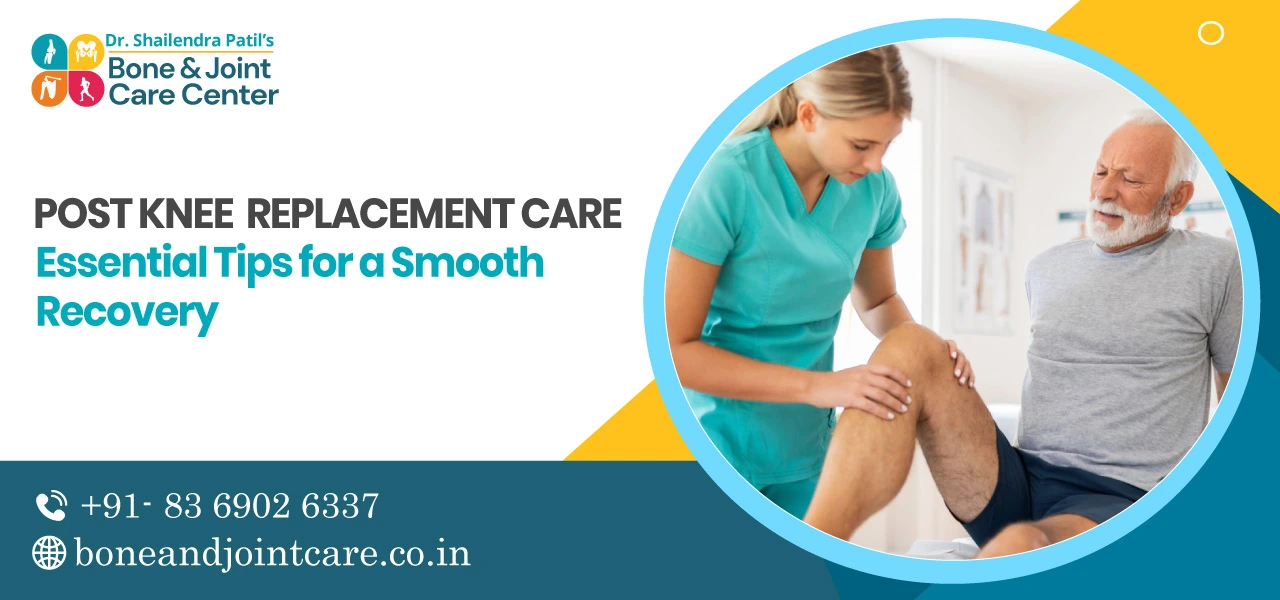
A knee replacement surgeon in Mumbai will refer you to a physical therapist who may start your therapy shortly after surgery. The therapy may last for 3-4 months, sometimes longer. Exercising will help strengthen the muscles around your knee joint. It will also help restore your mobility gradually.
The exercises might be painful initially, but they are an essential part of your recovery after partial or total knee replacement. They reduce joint stiffness, improve blood circulation, and make walking and other movements easier. Your therapy sessions might consist of ankle pumps, quadriceps sets, and leg raises.
Eat a Healthy Diet
Your body needs the right nutrients to heal after knee replacement. Add the essential vitamins and minerals to support healing. Include protein (eggs, fish, and pulses), calcium, and vitamin D for bones, and fruits and vegetables for fiber in your diet. You must also maintain hydration. Limit your intake of processed foods, sugar-rich foods, and deep-fried items.
Sleep Comfortably
A good night’s sleep is an important part of your recovery. Get enough rest. Do not keep a pillow under your knee for a long period, as it can cause your joint to become stiff and painful. If you experience pain at night, take pain-relief medicine as advised by your surgeon before bedtime. Sleep on your back or non-operated side and use a firm mattress.
See your surgeon immediately if you have fever, chills, discharge from the wound, unbearable pain, or excessive swelling that won’t go down after resting.