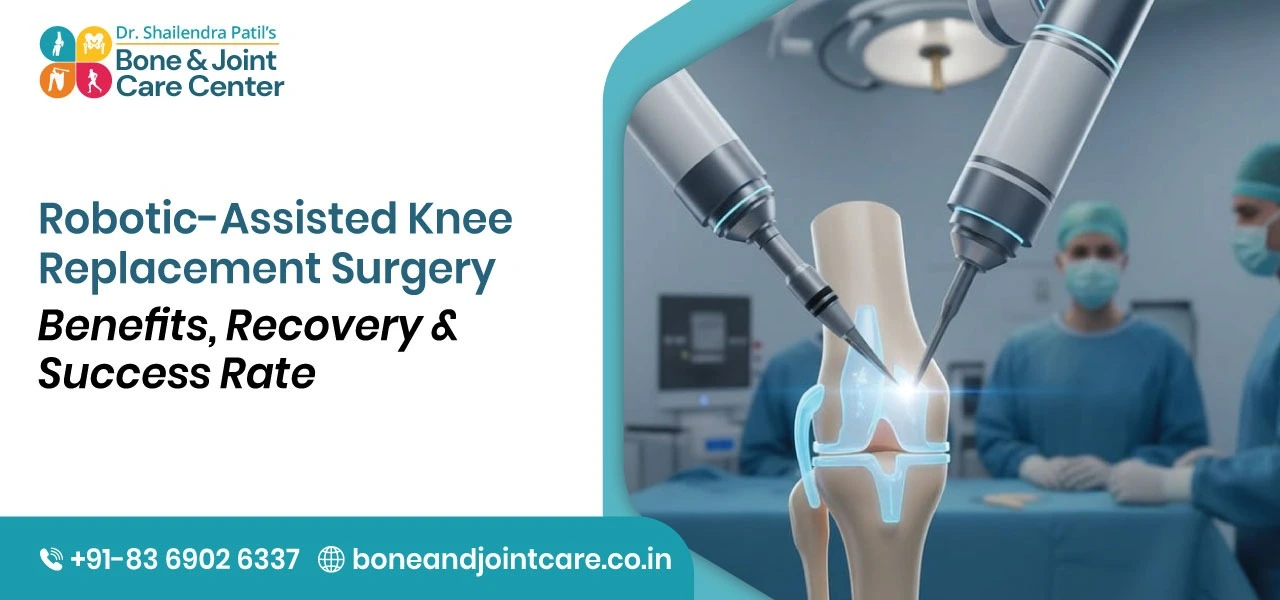


Knee replacement surgery in Mumbai offers hope to people diagnosed with arthritis or those who’ve sustained a severe knee injury. The surgery replaces the worn-out structure of your knee with implants, also called prostheses.
These are made of ceramic, metal, or plastic and are designed to replicate the function of your knee. From curing pain to restoring your movements, the right implants can do wonders for your knee joints. A crucial consideration for patients undergoing knee replacement surgery is the type of implants they should receive.
5 Types of Knee Implants
The designs, fixation, and components of implants can vary. Here are the five common options available for your choice.
1. Fixed-Bearing
The most common and ideal type for older adults is fixed-bearing implants. The prosthesis has a simple design and a high success rate. It can last for up to 20 years.
The tibia part has a metal component, and on top of that, it has a cushion that acts like cartilage, facilitating smooth and seamless movement of your joint. This cartilage-like plastic structure won’t move or rotate, making it a less flexible choice for young adults who are in sports or activities that involve a lot of physical movement.
2. Mobile-bearing Implants
Mobile-bearing implants are slightly more flexible and allow a greater range of motion compared to the fixed-bearing variant. It has the same components as those used in the fixed-bearing joint, but unlike the latter, mobile-bearing implants have flexible plastic cushioning that can move and rotate slightly.
It’s ideal for young people who regularly participate in physical activities like hiking, jogging, or sports. Using your knee for regular movements won’t damage the plastic cushion in these implants.
3. Medial Pivot Implants
This newer and modern implant is apt for people who want a prosthesis that works like their natural knees and adapts to their knee’s natural stability and swinging motion. Normally, the inner part of your knee remains stable while the outer layers move freely. The Medial Pivot implant features a similar design. Activities like climbing and walking feel smooth and natural with this implant.
4. Customized Implant
A customized implant is a popular choice for patients who have sustained knee injuries or undergone knee surgery. With the help of 3D imaging, the healthcare provider gets a clear picture of your knee anatomy. This helps them design an implant specifically for their patient. Customized implants offer exceptional alignment and greater mobility than other implant types.
5. Partial Implants
This may be a good fit for patients who need a part of their joint replaced. Partial implants replace only the worn-out parts, leaving the rest of the healthy tissues and joints intact. This facilitates natural movement and normal knee function. Partial implants also involve a smaller incision and faster recovery.
However, they may not work for every patient. If you have severe arthritis or a condition that has damaged the entire knee joint, an orthopedic surgeon in Mumbai might recommend a total knee replacement with fixed-bearing or mobile-bearing implants.