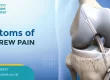

The Anterior Cruciate Ligament (ACL) connects your shinbone to the thigh bone. It maintains your knee’s stability when you pivot or change directions. Sadly, it’s also one of the most commonly injured parts of your knee. It can tear partially or completely when you slip awkwardly, change directions swiftly, or make a sudden stop.
Sometimes, a blow to the knee can cause an injury to the ACL. A torn ACL can cause pain, instability, and difficulty moving around. Depending on the severity of the injury, you may need to undergo ACL surgery in Thane. The question is, how do you know if you have torn your ACL? Let’s find out.
Common Symptoms of an ACL Tear
Most athletes know immediately when they have torn their ACL. The symptoms are pretty obvious. While ACL injuries are mostly extremely painful, some people may feel nothing but a slight discomfort. It’s important to see an orthopedic surgeon in Thane if you notice these signs:
A Pop Sound: When your ACL tears, you might hear a pop sound. It’s loud and clear. The sound is similar to the snap of the taut band. It’s one of the hallmark signs of an ACL injury, especially if followed by intense pain and swelling.
Sharp Pain: After an ACL injury, you will feel a sudden, sharp pain that is so intense that you might be unable to continue the activity you were doing. The pain can be felt deep inside the knee instead of just on the surface.
Swelling: ACL tears can cause bleeding inside the knee, which can lead to swelling. The swelling might develop shortly after you have torn the ligament or within 24 hours. Your knee might feel tight, stiff, and difficult to bend or straighten.
Giving Way Feeling: Another common sign of an ACL tear is the “give out” sensation. It feels like your knees can’t support you anymore and can give out. Since the ACL is responsible for keeping your knee stable, it’s obvious that you can’t continue playing with a torn ligament.
Limited Mobility: It’s difficult to straighten or bend your knees with a torn ACL. Even regular movements, such as walking, jumping, or moving your knee, might be painful. Some people with a torn ACL might walk with a limp, while others are unable to walk at all without support.
When to See an Orthopedic Doctor
If you hear the pop sound after a knee injury, have excruciating pain, or notice swelling that gets worse over time, see an orthopedic doctor. They may run physical tests to check your knee’s stability.
If they suspect a torn ACL, they might run a CT scan or an MRI to confirm the diagnosis. Early treatment can reduce the risk of damage to the surrounding parts, such as your meniscus and cartilage. Moreover, it helps restore your knee function.
How is a Torn ACL Treated?
Rest, Ice, Compression, and Elevation (RICE), over-the-counter pain-relief medication, crutches, and physical therapy are some non-invasive treatment options for patients with a low-grade tear. However, if you want to resume physical activities, especially sports, you may need to undergo an ACL repair surgery.