The ability to move the shoulder freely is of paramount importance for an athlete. If you have sustained a shoulder injury or have persistent pain in one or both shoulders, an orthopedic surgeon in Mumbai may have discussed shoulder arthroscopy.
The procedure may sound complex and daunting, but it’s fairly simple, has a short recovery period, and is used to diagnose shoulder issues. If you have been asked to undergo shoulder arthroscopy, here’s all you need to know about what happens before, during, and after the procedure. Let’s get started.
What is Shoulder Arthroscopy?
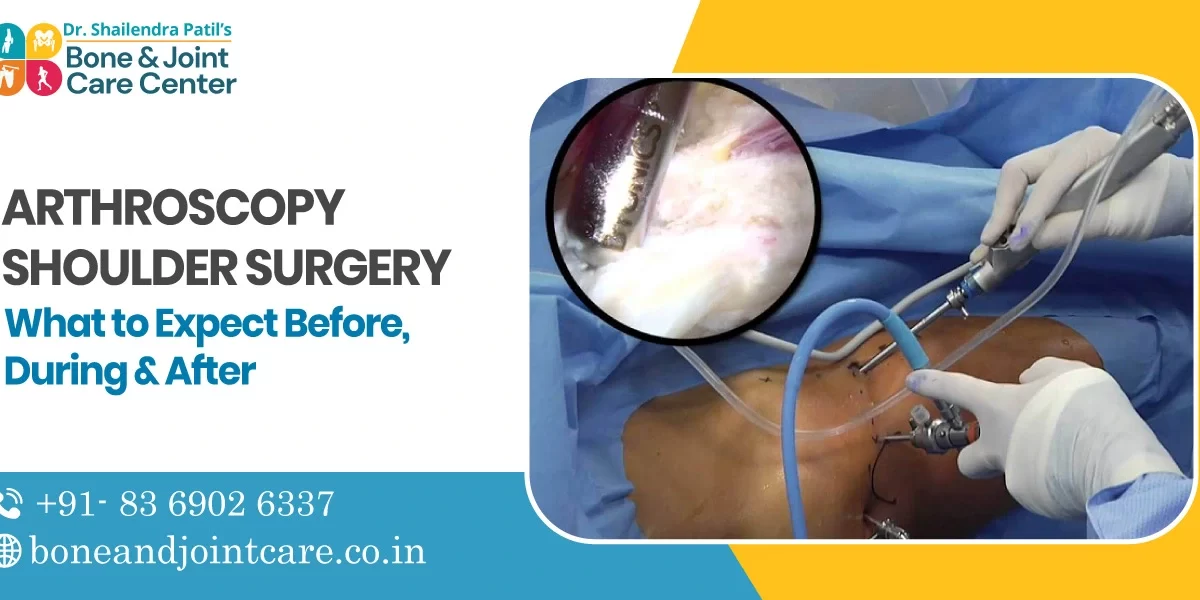
Shoulder arthroscopy is a diagnostic and treatment procedure. The surgeon inserts an arthroscope (a tool with a camera) into the affected shoulder joint. It creates real-time images of the inside of your joint on the monitor, helping your surgeon navigate around the shoulder easily. If a surgical repair is needed, the surgeon may insert specialized instruments through other holes and repair the damaged tissues.
When Do You Need Shoulder Arthroscopy?
Here’s the list of the conditions that require shoulder arthroscopy:
- Rotator cuff tears
- Bone spurs
- Labral tears
- Bursitis
- Frozen shoulder
- Cartilage injuries
- Shoulder instability
An orthopedic doctor may recommend arthroscopy for other reasons, as well.
Preparing for Shoulder Arthroscopy
Before the day of your surgery, your doctor will schedule tests, such as X-ray, bloodwork, and ECG. They might also ask about your medical history. If you are on blood thinners, you may need to stop the medication. Do not eat 8 hours before the surgery. You may have to take days off work until you recover. Keep all your essentials within reach so you don’t have to move far to grab them.
During Surgery
On the surgery day, you will be administered anesthesia to block pain. The surgeon will make 2-3 incisions (not larger than 1cm) around your shoulder to insert surgical tools. They will fill the irrigation fluid inside the joint to get a clear view. Other instruments are passed through small incisions for suturing torn muscles, reshaping bones, treating an infection, and removing or repairing damaged tissue.
The incision is closed with stitches. You will be shifted to the recovery area, where you will be monitored by the healthcare team. Once anesthesia wears off and your vitals look stable, you will be discharged. The procedure may last an hour or two.
Post-operative Care
Post-operative pain in the shoulder is normal. Your doctor will prescribe pain medicines to ease your pain and discomfort. Follow the proper dosage and report excessive pain that doesn’t relieve after taking medication to your doctor. A sling or a shoulder immobilizer may be prescribed to keep your joint stable.
Start physical therapy when your surgeon recommends. Shoulder-strengthening exercises help improve your range of motion, reduce pain, and accelerate healing. Do not lift anything, especially using the surgical shoulder. An ACL surgeon in Mumbai gives detailed instructions for bathing, changing dressings, and keeping the wound clean and dry. So, follow those for quick recovery and see your surgeon if you experience bleeding from the wound, high fever, and other infection symptoms.