
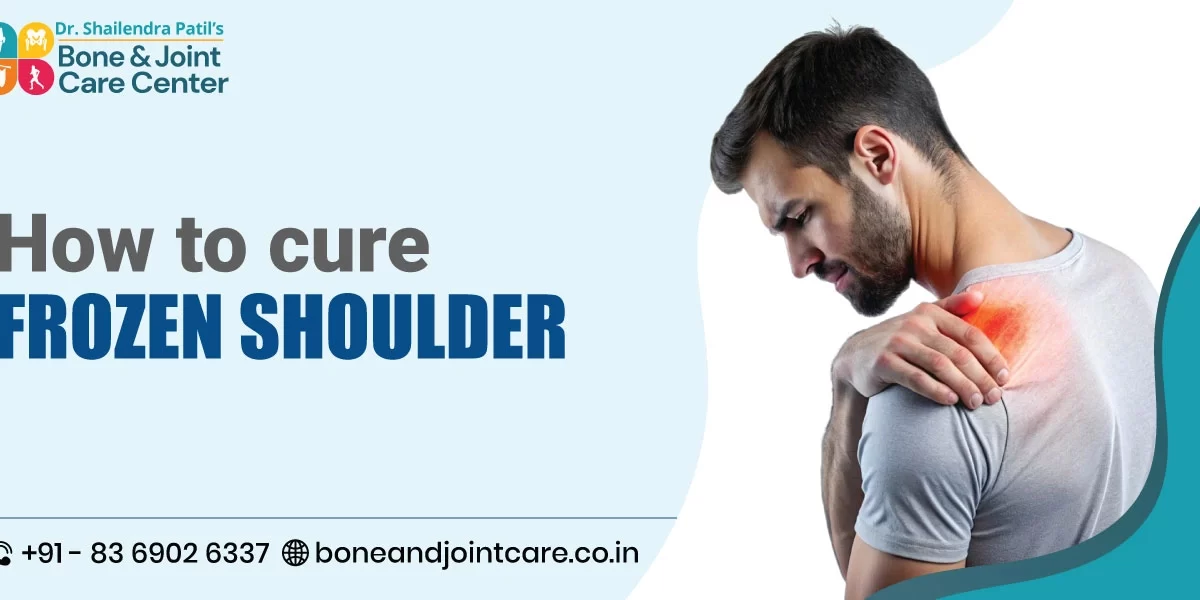
Have you ever experienced unusual stiffness in your shoulder joint? One day, you had mild discomfort, and the next day, you woke up with a painful shoulder that wouldn’t move. Extending your arm to grab things or lifting objects becomes stressful, as your shoulder seems to have jammed.
With time, the pain worsens, and mobility becomes even more restricted than earlier. This is called frozen shoulder. It occurs when the capsule, which is elastic enough to allow flexible shoulder movements, is inflamed. Let’s see what a frozen shoulder specialist in Mumbai recommends for relieving pain and restoring your normal shoulder motion.
Causes of Frozen Shoulder
Sometimes, there’s a clear cause. Sometimes, you don’t know what triggered this stiffness. However, a frozen shoulder is never caused by sleeping in the wrong position. Here are some common causes:
- An injury
- Diabetes
- Thyroid disorders
- An immobile shoulder for a long period
- Advanced age
It occurs in three stages, starting with mild pain that keeps getting worse. A small twinge turns into debilitating pain. This is followed by the stiffness. Even when the pain subsides, the stiffness lasts, making daily activities difficult. The third stage is recovery. Stiffness fades, and your shoulder starts unfreezing.
Recovery Tips
Recovery from frozen shoulders doesn’t happen overnight. Instead, it may take weeks or months to heal fully. Here’s what can help:
1. Practice Light Movements
This may sound difficult, but gentle movements are often encouraged to prevent further stiffness. Frozen shoulder occurs due to stiffness in the capsule, which gets worse when you guard your arm or stop moving it to avoid pain. Instead, practice pendulum swings, light rotational exercises, and gentle movements to keep your arm moving. Remember, being gentle and consistent is more important than trying to perform all normal shoulder movements.
2. Consider Physiotherapy
An orthopedic doctor in Mumbai recommends physiotherapy, as it’s a reliable way to loosen your shoulder. A physiotherapist assigns stretches based on your pain level. They carefully monitor how well your shoulder responds to the exercises and adjust your stretches accordingly. This prevents further strain on your shoulders, back, or neck and supports recovery.
3. Heat Therapy
Heat therapy can improve the capsule’s elasticity, making your shoulder exercises easier to perform and more effective. Note that heat can’t magically fix a frozen shoulder, but help with pain, movement, and overall recovery. You can use a heating pad, a hot compress, or simply take a hot shower before practicing shoulder movements.
4. Managing Pain
Pain management is the key here. When your shoulder hurts, you will avoid moving it to reduce pain. However, less mobility worsens stiffness, which aggravates pain. Consult an orthopedic doctor for pain relief medication.
They might recommend anti-inflammatory medicines or ,sometimes, corticosteroid injections to reduce pain. The less your shoulder joint hurts, the easier it is to move, and the smoother your recovery will be.
Most cases of frozen shoulders respond well to conservative treatment, but if the pain becomes unmanageable or doesn’t ease with time, additional interventions may be needed. Your doctor may consider hydrodilation or arthroscopic release to provide comfort. However, these are usually reserved for severe cases.
