
For most people, hip replacement surgery is a way to get relief from chronic hip pain, restricted movements, and joint stiffness. It’s also natural to wonder what the surgical scar left behind will look like. One thing is clear—the hip replacement scar is part of healing. If you are wondering whether the scar fades and how long it will take to heal, we’ve answered all questions in this post. Read on to find out more about the scars left after a hip replacement operation in Mumbai.
What Does it Look Like?
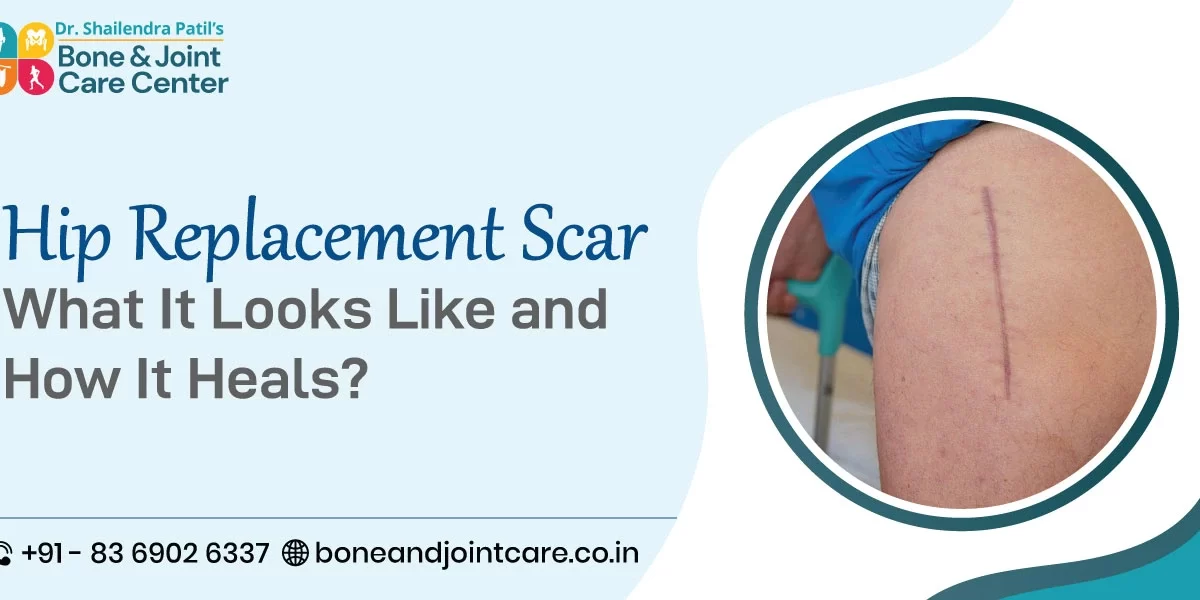
After surgery, there will be a 10-20cm long, straight or curved scar on the front, back, or side of your hip joint. The position and length of the scar depend on the surgical approach used by a hip replacement surgeon in Mumbai. The scar looks red, pink, or a little swollen in the initial days following the surgery. It’s your body’s normal healing response.
With time, the scar flattens and blends with your skin. The surgeon uses staples, stitches, or glue to close the incision. Remember, there’s no universal appearance for a hip replacement scar. It differs depending on your age, overall health, skin type, and even genetics.
How the Scar Heals
Healing doesn’t happen overnight. It takes several months for your scar to lighten. Initially, as the incision closes, mild pain, itchiness, redness, and tenderness are common. That’s usually okay.
During the recovery phase, the new tissue forms. Gradually, the color of the skin changes from red to brownish or closer to your skin tone. In most people, the hip replacement scar becomes less noticeable within 6 months to a year after surgery. That said, it may not fade completely, but blend smoothly with your skin.
Tips for Caring for a Hip Replacement Scar
How soon the scar heals and how much it fades depend largely on post-surgical care. Follow your surgeon’s instructions for keeping the incision site clean. Here’s what may help:
- Keep it dry and clean
- Use sunscreen on the scar to protect it from the sun, especially in the first few months, as the scar may permanently darken with regular exposure.
- Gently massage the scar with a silicone-based gel or a moisturizer (only after the incision closes)
- Do not use any creams without consulting your surgeon
- Eat a nourishing diet full of essential vitamins and minerals to support scar healing
- Stay hydrated
- Avoid smoking
You can discuss topicals with the surgeon during your follow-up visits.
Does the Scar Cause Pain?
Initially, it’s normal to feel some discomfort with a tingling sensation and even numbness around the scar. That happens because your skin, along with the nerves and tissues, is healing. The good news is that the mild pain lasts for a short period.
Consult your orthopedic surgeon immediately if the pain worsens and is accompanied by excessive swelling or discharge around the affected joint. Overall, a scar after hip replacement shows your strength. It may look weird initially, but with time, the scar fades, and you feel more comfortable in your skin.
