
Among many factors that affect the success rate of hip replacement surgery, the choice of implants plays a significant role. The most commonly used implants are of plastic, metal, and ceramic.
An orthopedic surgeon in Thane walks you through the details of each implant, including its benefits, costs, and other relevant information. Ceramic has garnered significant attention for its scratch-resistance and durable properties. Let’s see if it’s the best choice for patients undergoing hip replacement.
Ceramic Implants for Hip
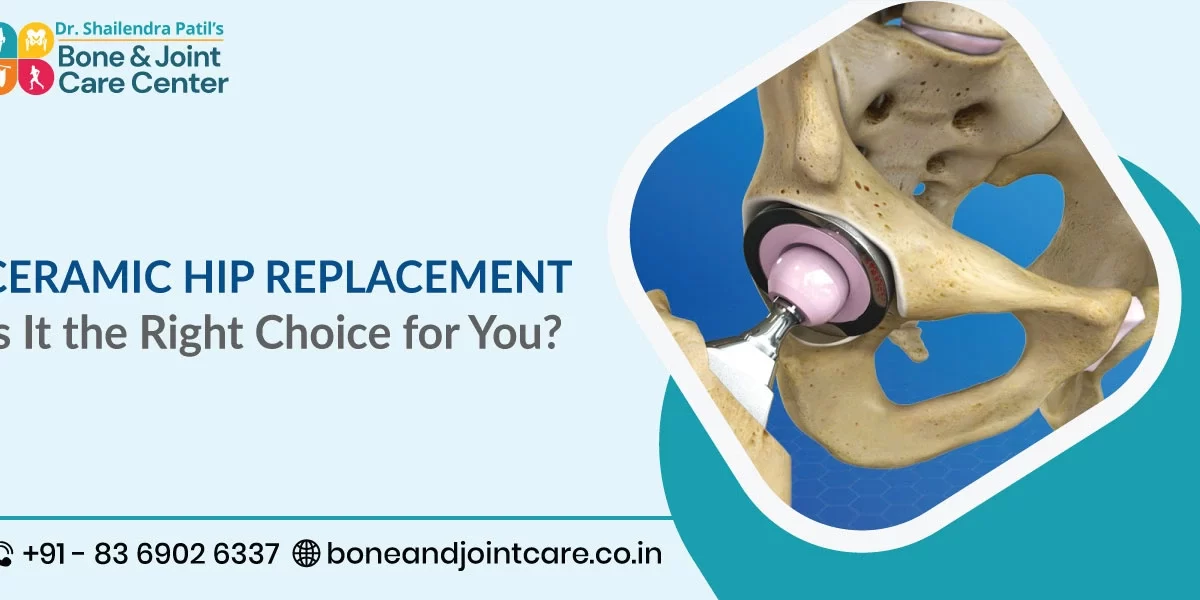
Hip replacement surgery has been a remarkable innovation for people with chronic hip pain that won’t respond to conservative treatments. The procedure involves replacing your hip joints, i.e., the ball and socket, with artificial implants. Ceramic, here, is the material that replaces the ball and, in some cases, the socket liner. The surgeon can use a ceramic ball + ceramic liner or a ceramic ball on a polyethylene socket liner.
Why Ceramic Hip Replacement May be Better for Some Patients?
Here are some key reasons that make ceramic-on-ceramic a better alternative to other implant materials.
-
Excellent Biocompatibility
Metal-on-metal implants release metal ions into your bloodstream, which can trigger an allergic reaction (although it’s rare). Ceramic doesn’t release ions, making it the safest choice for people concerned about metal sensitivity or allergies. Besides, you can have peace of mind knowing there won’t be metal debris accumulated in your bloodstream.
-
Reduced Inflammation
Wear particles released from the implant can irritate the surrounding structures, including your bones and tissues. This triggers inflammation, which causes pain, joint stiffness, and difficulty moving the affected joint. Since ceramic doesn’t produce significant wear particles, it’s less likely to damage the surrounding bones.
-
Smooth Movement
Ceramic is known for its smooth surface. This makes your joints glide smoothly, making your movements feel more comfortable. Many patients who choose ceramic hip implants describe their movements post surgery as normal.
-
Long-lasting
Another standout feature of ceramic is its strength and resilience. The material doesn’t change its shape, making it one of the longest-lasting implant materials. It’s a highly preferred choice for young adults who want their implants to last for years without showing any signs of wear.
Common Risks and Challenges
While ceramic hip replacement in Thane is an ideal choice, the material isn’t flawless. Here are common risks associated with ceramic implants.
- A Squeak Sound: Ceramic-on-Ceramic implants can cause squeaks during movements. The sound doesn’t indicate an issue with the implant, and it’s not common, but it can be uncomfortable.
- Fracture Risk: Ceramic is a strong implant. While it does carry a risk of fracture, that’s rare today. Fractures occur due to severe trauma or manufacturing defects. If a fracture occurs, a revision surgery may be needed.
- Costs: Because of their excellent resilience and other properties, ceramic implants cost more than plastic and metal.
Conclusion
Overall, ceramic hip replacement is a great choice for young adults looking for a scratch-resistant, smooth, durable, and high-quality material for their hip joint. It has clear advantages that make it better than plastic and metal implants.