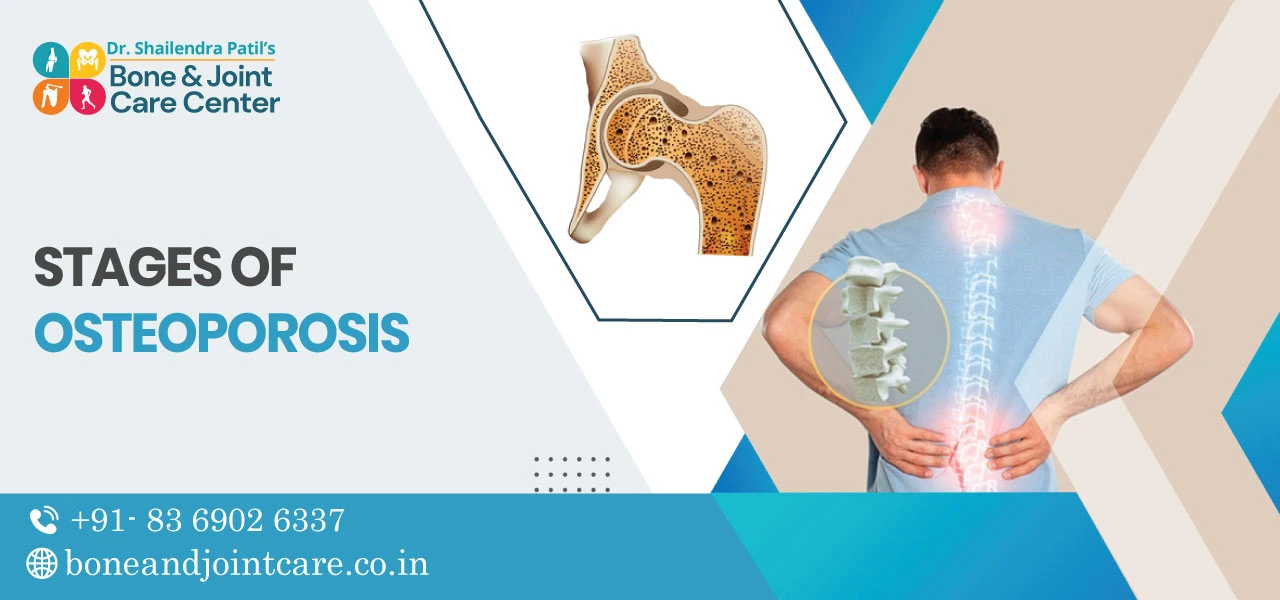
With age, your bone density decreases, and your bones become fragile. However, if you notice weaker bones at a young age or the change in your bone density occurs faster than normal, it may be a sign of a silent yet challenging medical issue called osteoporosis. Seeking osteoporosis treatment in Mumbai at an early stage can slow its progression.
Let’s take a look at the different stages of osteoporosis.
Understanding Osteoporosis
Osteoporosis weakens your bones to the point that they may break from simple physical activities, like bending or coughing. Your bones may develop tiny holes, similar to those in a sponge, making them too brittle to withstand physical stress.
Fractures become more common. Although women after menopause are more likely to be affected, anyone can develop osteoporosis. Sadly, osteoporosis doesn’t cause any noticeable symptoms in its early stages, making it hard to diagnose. In fact, many people don’t know they have osteoporosis until they experience a fracture from a minor injury.
3 Stages of Osteoporosis
Osteoporosis is typically not classified into stages. Healthcare experts conduct bone scans to determine the severity of the disease. Here’s how you can know the severity of osteoporosis.
Stage 1: Osteopenia
Osteopenia is an early warning sign of osteoporosis. It signals a decrease in bone density, which may later develop into osteoporosis. Your scans and other tests show that you have started to lose bone density, although it may not be severe enough to be classified as osteoporosis.
Fortunately, osteopenia doesn’t always lead to osteoporosis, especially if it’s diagnosed early. Calcium and vitamin-D rich foods, exercising regularly, and making lifestyle changes can ease your symptoms.
Stage 2: Osteoporosis
If osteopenia progresses, it can lead to osteoporosis. At this point, your bone loss occurs at a considerably faster rate than new bone growth. This makes your bones fragile and more likely to break. It can be detected with bone density tests. A bone density below -2.5 indicates osteoporosis.
Symptoms are still not pronounced, but some people experience back pain, a stooped posture, and a shorter height. An osteoporosis or rheumatoid arthritis specialist in Mumbai will recommend medication, such as bisphosphonates, to slow its progression and encourage new bone growth.
Stage 3: Advanced Bone Loss
The advanced stage of osteoporosis is characterised by an increased risk of fractures, spinal curvature, and a significant loss of bone mass. Changes in the spine’s structure can cause chronic pain.
People who are at an advanced stage of osteoporosis require medical attention. Due to a significant reduction in bone mass, fractured bones can take longer to heal. The longer the resting period in the hospital, the more likely it is to cause a loss of muscle strength, which can increase your risk of falls.
When to See a Doctor
See an orthopedic doctor if:
- Your bones break easily from minor injuries
- You have chronic back pain
- You have a family history of osteoporosis
Since osteoporosis is more common in the elderly, it’s best to have a bone density check regularly in your 50s.